

If you’ve ever seen a pair of brass goggles perched on a top hat, a mechanical arm made of polished copper, or a Victorian-style airship floating across a smoky skyline, you’ve probably encountered steampunk. It’s a genre, an aesthetic, and a creative movement all rolled into one. At its core, steampunk imagines a world where the technology of the past—particularly the steam-powered machinery of the nineteenth century—evolved into something far more advanced than it actually did. It asks a simple but powerful question: what would the future look like if it had been invented in the age of steam? For regular readers, steampunk can feel both familiar and strange. It combines historical settings with imaginative technology, often blending realism with fantasy. The result is a world filled with gears, goggles, airships, automatons, and elaborate mechanical devices, all wrapped in Victorian fashion and social structures. But steampunk is more than just an aesthetic. It’s a lens through which people explore history, creativity, technology, and even social change.
The term “steampunk” was coined in the late twentieth century, but its roots go back much further. Many of the ideas behind steampunk can be traced to nineteenth-century authors who wrote about advanced technology long before it existed. Writers imagined submarines, flying machines, and mechanical wonders powered by steam and ingenuity. These early works were not called steampunk at the time, but they laid the foundation for the genre. Modern steampunk began to take shape in the 1980s, when writers and artists started deliberately revisiting Victorian settings with futuristic inventions. The name itself follows the pattern of “cyberpunk,” a genre focused on high-tech, dystopian futures. Where cyberpunk looks forward with neon lights and digital networks, steampunk looks backward and asks how innovation might have unfolded differently. Instead of silicon chips and artificial intelligence, steampunk favors brass gears, clockwork mechanisms, and steam engines. Over time, the concept spread beyond literature. It began influencing fashion, art, film, and even music. What started as a niche literary idea became a cultural movement. Today, steampunk conventions, festivals, and communities exist around the world, celebrating creativity and imagination rooted in a reimagined past.
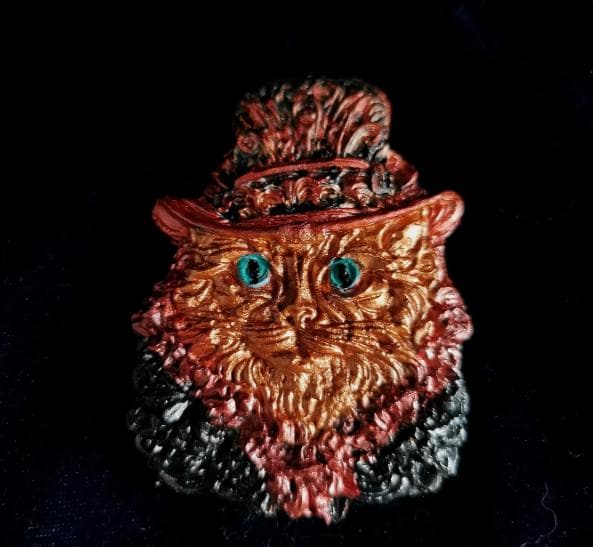
One of the most recognizable aspects of steampunk is its visual style. Picture Victorian London, but with airships docking at floating towers, steam-powered robots walking the streets, and inventors tinkering in cluttered workshops. The aesthetic blends elegance with industry. Lace gloves and corsets appear alongside leather belts filled with tools. Polished brass meets dark wood. Goggles, gears, and pocket watches become decorative elements as much as functional ones. This combination reflects the era that inspires steampunk. The nineteenth century was a time of rapid industrialization. Steam engines powered trains and factories, transforming society. Cities filled with smoke and noise, while inventions reshaped everyday life. Steampunk takes this historical transformation and exaggerates it. In steampunk worlds, technological progress never shifts away from steam. Instead, it continues, becoming more complex and more fantastical. Fashion plays a huge role in steampunk culture. Enthusiasts often design outfits inspired by Victorian clothing but modified with mechanical details. Someone might wear a tailored coat with gears sewn into the fabric, or carry a walking cane that doubles as a gadget. These outfits aren’t just costumes; they’re expressions of creativity. People reinterpret historical styles and blend them with imagination.
Steampunk technology is both retro and futuristic. It often includes devices that seem plausible but didn’t exist. Mechanical computers made of gears, steam-powered flying machines, clockwork prosthetics, and elaborate automata are common examples. These inventions rely on visible mechanics. Unlike modern technology, which often hides its complexity inside sleek devices, steampunk machines proudly display their workings. Pipes, pistons, and cogs are part of the design. This fascination with visible machinery reflects a desire to understand how things work. In a digital age where technology can feel abstract, steampunk offers something tactile. You can imagine turning a crank, adjusting a valve, or hearing the hiss of steam. The machines feel tangible and accessible, even if they are fictional. Steampunk also often blends science with fantasy. Some worlds include impossible inventions powered by mysterious energy sources or exaggerated steam engines. Others stay closer to reality, imagining how engineers might have solved problems using the tools of the nineteenth century. Either way, the emphasis is on creativity and ingenuity.
Beyond aesthetics, steampunk explores themes that resonate with readers. One common theme is innovation. Steampunk celebrates inventors, explorers, and dreamers who push boundaries. Characters often build their own machines or challenge established norms. This focus on creativity makes steampunk optimistic, even when the setting includes social challenges. Another theme is the tension between tradition and progress. Victorian society had strict social rules and hierarchies. Steampunk stories sometimes critique these structures, imagining characters who rebel against them. Women inventors, diverse explorers, and unconventional heroes often appear in steampunk narratives. By reimagining the past, steampunk creates space for alternative histories where more people participate in innovation. Adventure is also central to steampunk. Airship voyages, underground cities, mechanical mysteries, and daring heists are common plot elements. The genre blends exploration with discovery. Readers are invited to step into a world that feels both historical and fantastical.
Steampunk literature ranges from lighthearted adventures to complex world-building. Some stories focus on exploration and invention, while others explore political or social themes. Because steampunk draws from history, it often incorporates real locations and events, reimagined with technological twists. These stories appeal to readers who enjoy imaginative settings without losing touch with reality. The historical grounding makes the worlds feel believable, while the technology adds excitement. Steampunk novels often emphasize character relationships and personal journeys, making them accessible to a wide audience. Short stories and anthologies also play an important role in steampunk literature. They allow writers to experiment with different settings and ideas. One story might take place in a steam-powered version of Paris, while another imagines mechanical wildlife in a desert landscape. The variety keeps the genre fresh and diverse.
Steampunk has also influenced film and television. Movies featuring airships, elaborate costumes, and retro-futuristic technology often draw from steampunk aesthetics. Visual storytelling suits the genre well because its style is so distinctive. Detailed sets, intricate props, and imaginative machines bring steampunk worlds to life. Animation and video games have embraced steampunk too. Artists can design entire cities filled with gears, steam pipes, and towering machines. Games often let players interact with these environments, solving puzzles or piloting mechanical devices. This interactivity enhances the sense of immersion. Even when a story isn’t purely steampunk, elements of the style sometimes appear. A single character with mechanical enhancements or a steam-powered city can evoke the genre. This flexibility allows steampunk to influence many forms of media.
One of the most unique aspects of steampunk is its connection to do-it-yourself creativity. Many fans don’t just consume steampunk media; they create their own objects. People modify everyday items to give them a steampunk look. A modern keyboard might be transformed with brass keys and wooden casing. A lamp might be built from pipes and gauges. This hands-on approach aligns with the genre’s emphasis on invention. Steampunk encourages people to tinker and experiment. Workshops and online communities share tutorials and ideas. The process of making becomes as important as the final product. Maker culture also reflects a broader appreciation for craftsmanship. In contrast to mass-produced goods, steampunk celebrates handmade objects. The visible imperfections and unique designs add character. Each creation tells a story about its maker.
While steampunk is often playful, it can also serve as cultural commentary. By revisiting the Victorian era, the genre invites reflection on industrialization, colonialism, and social inequality. Some stories examine how technological progress affects society. Others imagine alternative histories where different choices lead to more inclusive outcomes. This reflective aspect adds depth to steampunk. It’s not just about gadgets and costumes. It’s also about questioning how technology shapes human experience. By placing advanced inventions in a historical context, steampunk highlights both the possibilities and challenges of progress.
Although steampunk often draws from Victorian Britain, it has expanded globally. Creators imagine steam-powered worlds inspired by different cultures and regions. These variations bring new aesthetics and stories. A desert setting might feature sand-driven machinery, while an Asian-inspired world might incorporate traditional architecture with mechanical elements. This diversity shows how flexible the genre is. Steampunk isn’t limited to one place or time. It’s a framework for imagining alternative technological paths. As more creators contribute, the genre continues to evolve.
Steampunk remains popular because it combines nostalgia with imagination. It offers a sense of wonder without relying solely on distant futures. Readers can recognize elements of history while enjoying creative inventions. The genre also encourages participation. Fans design costumes, build props, and share ideas. In a rapidly changing world, steampunk provides a comforting blend of old and new. It celebrates craftsmanship, creativity, and curiosity. It invites people to imagine a future powered not just by steam, but by human ingenuity.