

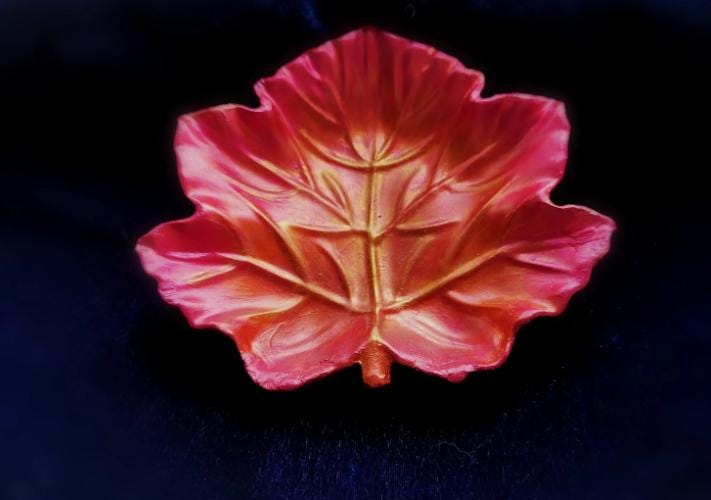
The maple tree belongs to the genus Acer, which includes more than one hundred species found primarily in Asia, Europe, North America, and North Africa. These trees are admired for their broad leaves, vibrant autumn colors, and sweet sap. Many people associate the maple leaf with North America, particularly Canada, but its symbolism extends far beyond national borders. Maple trees thrive in temperate climates. They grow steadily, offering shade in summer and dramatic displays of color in autumn. The leaves shift from green to gold, orange, and deep red, creating landscapes that feel almost magical. This seasonal transformation has influenced how people interpret the maple leaf spiritually. It reminds us that change is natural, inevitable, and often beautiful. Historically, indigenous communities in North America valued the maple tree for both practical and spiritual reasons. The sap was collected and boiled into syrup, providing nourishment after long winters. But the tree also represented generosity. It gave sweetness without being harmed, symbolizing kindness and the idea that giving sustains life. This early relationship between humans and maple trees shaped the spiritual meaning that later spread across cultures.
The maple leaf has appeared in art, literature, and tradition for centuries. In East Asian cultures, particularly in Japan, the maple leaf symbolizes the beauty of autumn and the bittersweet nature of change. Viewing autumn leaves became a seasonal ritual, encouraging people to reflect on the passing of time. The falling maple leaf represents acceptance—an understanding that life moves in cycles and that letting go is part of growth. In Europe, the maple leaf often symbolized moderation and practicality. Because maple wood was used for tools, furniture, and musical instruments, the tree represented usefulness and stability. It was not only admired for beauty but also valued for strength and reliability. These qualities contributed to its spiritual association with groundedness. In North America, the maple leaf eventually became tied to identity and unity. Its symmetrical form, with balanced points spreading outward, inspired ideas of harmony and shared purpose. Over time, the leaf evolved from a natural image into a symbol representing communities coming together.
One of the most striking features of the maple leaf is its symmetry. The leaf’s balanced shape suggests harmony and equilibrium. Spiritually, this balance can represent the importance of maintaining stability in life—between work and rest, action and reflection, giving and receiving. When people reflect on the maple leaf, they often see a reminder to stay centered. Just as the leaf spreads evenly from its stem, we are encouraged to expand in different directions while staying grounded in our core values. The maple leaf teaches that growth should not come at the cost of losing oneself. Instead, growth should radiate outward from a stable center. This symbolism resonates especially in times of stress or uncertainty. Looking at a maple leaf can evoke calmness, reminding us that nature itself follows balanced patterns. Seasons change, leaves fall, and new growth appears again. The cycle continues, showing that balance is not static but dynamic.
Perhaps the most powerful spiritual meaning of the maple leaf lies in transformation. In autumn, maple leaves shift dramatically in color. This transformation happens gradually, yet its final effect is breathtaking. Spiritually, this mirrors personal growth. Change often begins quietly, almost unnoticed, before becoming visible. The maple leaf teaches us that transformation does not mean losing identity. Even as its color changes, the leaf retains its shape. Similarly, people can evolve while remaining true to who they are. This idea encourages acceptance of life’s transitions—aging, career changes, personal challenges, or emotional growth. Falling leaves also symbolize release. When the maple leaf drops from the tree, it signals the end of one cycle and the beginning of another. In spiritual reflection, this can represent letting go of what no longer serves us. Just as the tree releases its leaves to survive winter, we may need to release old habits, fears, or attachments to move forward.
The maple tree is known for producing sweet sap, which can be turned into syrup. This natural gift has inspired the maple leaf’s association with generosity. The tree gives without expecting anything in return. Spiritually, this reflects the idea that true generosity comes from abundance within. This symbolism encourages kindness and sharing. The maple leaf reminds us that small acts of generosity can bring sweetness into others’ lives. Just as the sap flows quietly within the tree, compassion often works quietly, without seeking recognition. Furthermore, the nourishment provided by maple trees highlights interconnectedness. Humans, animals, and ecosystems all benefit from the tree’s presence. The maple leaf therefore represents harmony between living beings. It suggests that giving strengthens relationships and supports community.
Maple trees are resilient. They withstand harsh winters, strong winds, and seasonal changes. This endurance contributes to the maple leaf’s spiritual meaning of strength. The leaf may appear delicate, but it comes from a tree capable of surviving difficult conditions. This contrast teaches an important lesson: strength does not always look rigid or unyielding. Sometimes, true strength lies in flexibility. Maple branches bend in the wind, reducing the chance of breaking. Similarly, adaptability helps people navigate challenges. The maple leaf symbolizes resilience combined with grace. During difficult times, reflecting on the maple leaf can inspire perseverance. It reminds us that growth continues even after hardship. Winter eventually gives way to spring, and new leaves appear. This cycle encourages hope and patience.
The maple leaf invites us to slow down and observe nature. Watching leaves change color or drift to the ground can be a meditative experience. Spiritually, this encourages mindfulness—the practice of being present in the moment. In modern life, where people often feel rushed, the maple leaf offers a gentle reminder to pause. Its beauty is fleeting, lasting only a short time each year. This impermanence encourages appreciation. When we notice the maple leaf, we become more aware of the present and more grateful for simple moments. Mindfulness also deepens our connection to the natural world. The maple leaf symbolizes this connection, reminding us that humans are part of nature, not separate from it. Observing seasonal cycles can foster a sense of belonging and calm.
The maple leaf’s shape, with multiple points radiating from one center, suggests unity. Each point is distinct, yet all are connected. Spiritually, this represents community—individuals coming together while maintaining their uniqueness. This symbolism is especially meaningful in diverse societies. The maple leaf reminds us that differences can coexist harmoniously. Just as the leaf’s points form a single shape, people with different backgrounds can create a cohesive whole. The maple leaf also appears in group settings, such as art or celebrations, reinforcing its association with togetherness. It encourages cooperation and mutual respect.
Many people find personal meaning in the maple leaf. It can symbolize a stage of life, a memory, or a moment of change. For some, it represents nostalgia, recalling childhood autumns or meaningful experiences. For others, it stands for renewal and fresh beginnings. Spiritually, the maple leaf invites introspection. Its transformation encourages us to ask: What changes are happening in my life? What should I release? Where can I grow? These questions deepen self-awareness. Holding a maple leaf, noticing its veins and texture, can also inspire reflection on life’s complexity. Each vein connects to the center, just as different aspects of our lives connect to our core identity. This perspective fosters understanding and acceptance.
Today, the maple leaf continues to appear in meditation practices, art, and personal symbolism. Some people use it as a reminder of gratitude. Others see it as a symbol of peaceful transition. Its versatility allows individuals to interpret its meaning in ways that resonate personally. The maple leaf also represents harmony between tradition and modern life. While rooted in ancient cultural meanings, it remains relevant today. Its message of balance, generosity, and transformation speaks to contemporary challenges. In a world facing environmental concerns, the maple leaf also symbolizes respect for nature. It reminds us to protect forests and ecosystems. Spiritually, caring for the environment becomes an act of honoring the wisdom found in natural symbols.