

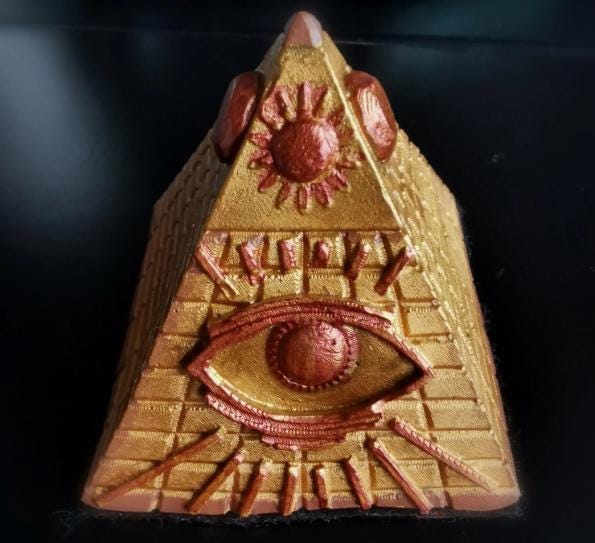
The most iconic pyramids are those of ancient Egypt, built primarily during the Old and Middle Kingdom periods (approximately 2700–1700 BCE). The earliest true pyramid is generally considered to be the Step Pyramid of Djoser at Saqqara, designed by the architect Imhotep. This structure marked a major leap from earlier flat-roofed tombs, known as mastabas, toward a new architectural vision that reached upward toward the sky.Later pyramids, such as those at Giza built for Pharaohs Khufu, Khafre, and Menkaure, represent the height of Egyptian pyramid construction. These massive stone structures were not merely displays of power or engineering skill. They were carefully planned tombs intended to ensure the pharaoh’s safe passage into the afterlife. Built by large, organized workforces rather than enslaved laborers as once believed, the pyramids reflect a highly structured society with advanced knowledge of mathematics, astronomy, and logistics.Outside Egypt, pyramid structures appeared independently in other regions. In Mesoamerica, civilizations such as the Maya, Aztec, and Olmec built step pyramids that functioned primarily as ceremonial temples rather than tombs. In Mesopotamia, ziggurats—tiered pyramid-like structures—served as sacred platforms connecting earth and heaven. Even in parts of Asia, including China, pyramid-shaped burial mounds were constructed for emperors. This global recurrence suggests that the pyramid form held universal appeal and meaning.
From an architectural perspective, pyramids are remarkably stable forms. Their wide bases and sloping sides distribute weight evenly, allowing them to endure earthquakes, erosion, and the passage of time. This practicality likely contributed to their widespread use. However, the decision to invest enormous resources into pyramid construction points to motivations far beyond structural efficiency.In Egypt, pyramids were part of larger funerary complexes that included temples, causeways, and smaller satellite pyramids. These complexes were aligned with celestial bodies, particularly the sun and certain stars. The Great Pyramid of Giza, for example, is aligned with extraordinary precision to the cardinal directions. Such alignment reflects the Egyptian belief that cosmic order, or ma’at, governed both the universe and human society.In Mesoamerican cultures, pyramids were often rebuilt layer upon layer, symbolizing cycles of time, renewal, and divine authority. Rituals, offerings, and ceremonies took place at their summits, where priests were believed to be closer to the gods. Unlike Egyptian pyramids, which were sealed after burial, these pyramids remained active centers of religious life.
At a spiritual level, pyramids are rich in symbolism. One of their most common interpretations is that they represent a bridge between the earthly and the divine. The broad base symbolizes the physical world, while the narrowing sides draw the eye upward toward the heavens. This ascent mirrors spiritual journeys found in many religious traditions: movement from material existence toward higher awareness or divine unity.In ancient Egypt, the pyramid was closely associated with the sun god Ra. The pyramid’s shape may have been inspired by the benben, a sacred mound that, according to creation myths, emerged from the primordial waters at the beginning of time. The pharaoh, buried within the pyramid, was believed to ascend and join the gods, becoming a divine being in the afterlife. Pyramid texts—some of the earliest religious writings—describe this journey in vivid detail.The spiritual symbolism of pyramids also extends to ideas of balance and harmony. The four sides often correspond to the four cardinal directions, suggesting completeness and universal order. The apex, where all sides meet, can symbolize unity, enlightenment, or the point at which human and divine realms converge.In modern spiritual thought, pyramids have been associated with concepts of energy, transformation, and consciousness. Some believe pyramidal shapes can focus or amplify energy, leading to their use in meditation spaces or alternative healing practices. While these ideas are not supported by mainstream science, they reflect the continuing spiritual fascination with the pyramid form.
Today, pyramids occupy a unique place between history, science, and spirituality. Archaeologists study them to better understand ancient societies, while tourists marvel at their scale and precision. Artists, writers, and filmmakers often portray pyramids as symbols of hidden knowledge or lost civilizations, reinforcing their mysterious reputation.At the same time, pyramids invite reflection on humanity’s shared past. The fact that different cultures, separated by vast distances and eras, arrived at similar architectural forms suggests common human impulses: to honor the dead, to reach toward the sky, and to make meaning of existence. Pyramids stand as reminders that ancient people were not merely struggling to survive, but were deeply engaged with questions of life, death, and the cosmos.